Staff & Faculty Students Services 360 campus
Tiếng Việt   English

Brand Values of the Faculty of Communication and Design

The Faculty of Communication and Design at Dong Nai Technology University builds its brand on the core values of creativity, innovation, and real-world engagement. Committed to educating highly qualified professionals in the fields of communication and design, the Faculty delivers a curriculum that seamlessly integrates academic knowledge, practical skills, and creative thinking.


Through a dynamic learning environment, a dedicated team of experienced lecturers, and a wide range of academic and extracurricular activities, the Faculty equips students with strong professional competencies, preparing them to thrive, innovate, and succeed in the digital era.

Vision

Vision 2035 To become a leading institution in education and applied research in the fields of communication, design, and creative technologies, fostering a modern educational environment that seamlessly connects creativity with real-world practice while meeting the evolving needs of society in the digital era

Mission

To educate creative professionals with strong expertise in the fields of communication and design; to integrate academic learning with real-world practice, promote applied research and innovation, and meet the evolving needs of society in the digital age.

Development Orientation

Development Strategy of the Faculty of Communication and Design for the 2025–2030 Period
The Faculty of Communication and Design at Dong Nai Technology University aspires to become a leading institution in education and applied research in the fields of communication and design, meeting the growing demand for high-quality human resources in society and the digital economy. To achieve this vision, the Faculty has established seven key strategic objectives.

Seven Strategic Objectives


  1. Innovate the curriculum through an application-oriented approach by incorporating the latest trends in digital communication, creative design, artificial intelligence, and emerging technologies to meet the evolving demands of the workforce in the digital era.
  2. Develop a highly qualified academic staff by fostering professional development and providing opportunities to participate in research, academic conferences, and scholarly collaborations at both national and international levels.
  3. Promote applied research, innovation, and technological advancement in the fields of communication and design while strengthening partnerships with industry and professional organizations.
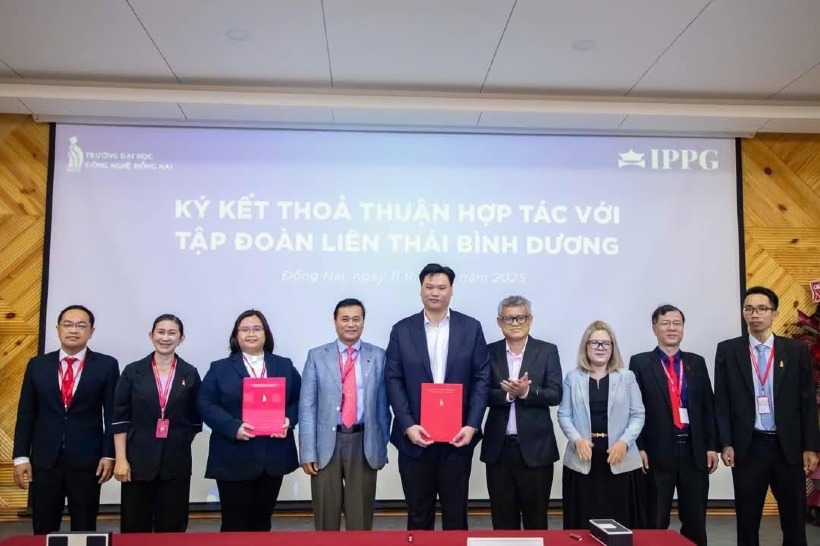
  4. Expand academic collaboration with universities, businesses, and institutional partners both domestically and internationally in education, research, and knowledge exchange.
  5. Invest in modern learning facilities, including specialized laboratories, studios, and digital platforms that support teaching, research, and creative practice.
  6. Support students' holistic development through academic and extracurricular activities, internships, entrepreneurship initiatives, and career development opportunities.
  7. Foster a creative, dynamic, and inclusive learning environment that encourages social responsibility, innovative thinking, and global competence.
history
Strategic Objectives for the 2025–2030 Period

2025–2030 Strategic Objectives


  • Modernize the curriculum through an application-oriented approach by integrating digital technologies, artificial intelligence, and emerging trends in communication and design. The Faculty aims to achieve 100% program accreditation and implement joint education programs by 2030.
  • Enhance the quality of academic staff by increasing the proportion of lecturers holding doctoral degrees while strengthening research activities and scholarly publications.
  • Promote applied research and innovation in communication and design by developing creative projects and strengthening collaboration with industry to facilitate knowledge and technology transfer.
  • Expand partnerships with businesses, professional organizations, and international institutions to provide students with greater opportunities for internships, experiential learning, and academic exchange.
  • Invest in modern learning infrastructure, including specialized laboratories, creative studios, and digital platforms, while fostering a dynamic, innovative, and practice-oriented learning environment.
history
Collaboration Strategy

Collaboration Strategy

1. Research and Development Collaboration

  • Conduct applied research projects and technology transfer initiatives that address real-world needs.
  • Publish research outcomes in internationally recognized scientific journals.

2. Education and Capacity Building

  • Promote academic collaboration through faculty and student exchange programs with universities and industry partners.
  • Organize academic conferences, professional training courses, and internship programs for students.

3. Industry and Organizational Partnerships


  • Collaborate with businesses and organizations to solve technical challenges and develop innovative products.
  • Seek funding opportunities and industry support for research, innovation, and educational activities.
history